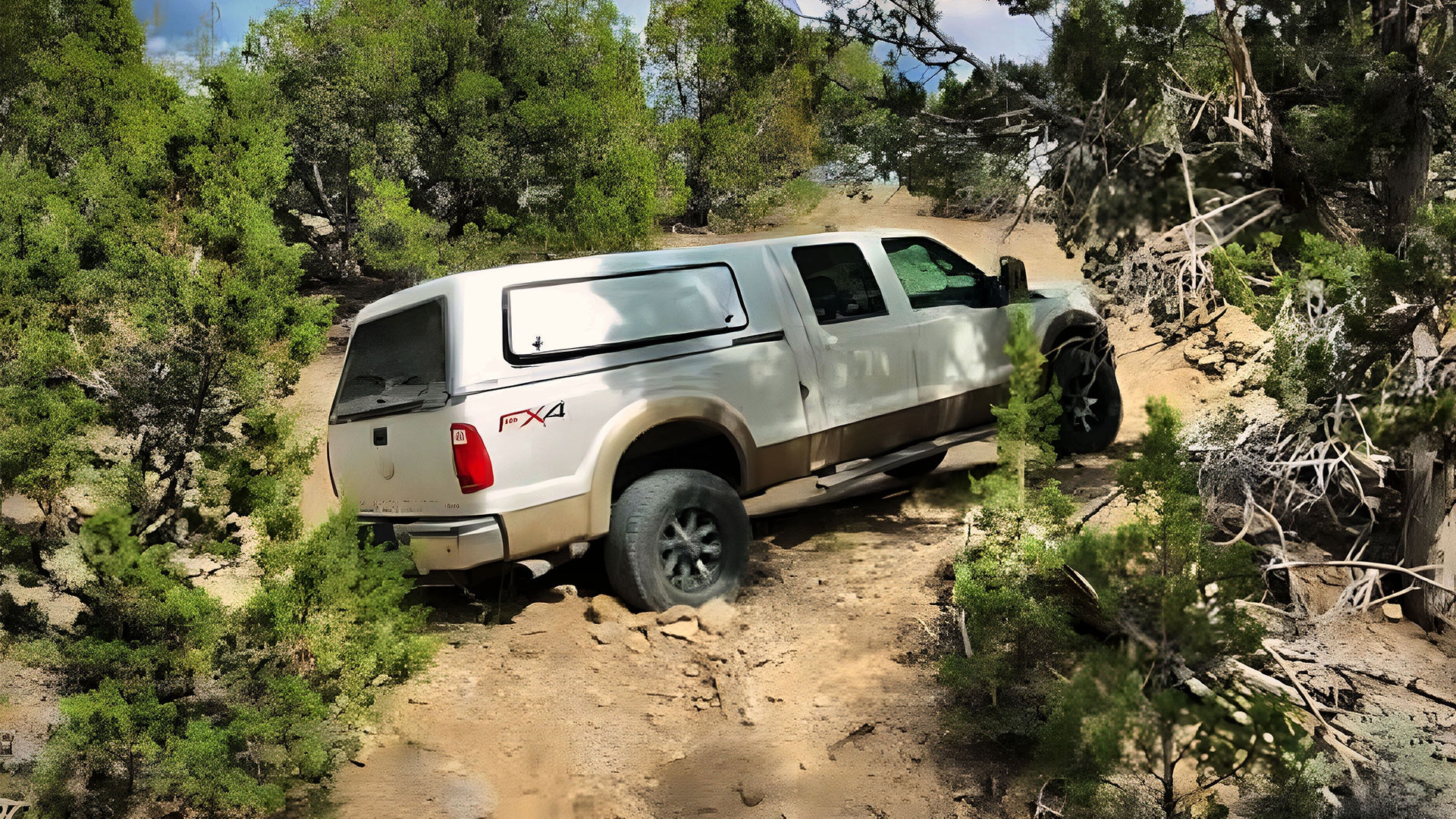
Tuesday, May 26th, 2026, at 9:17 a.m. (MT), we received a request for help with an offroad recovery in Utah. The requester, Neil Hardman, submitted the following information: “Turning off of the Mormon Trail Road in Grantsville onto West Baker rd the take Baker Hills rd turns into county rd 03267 AKA tc03267 left on magpie road then left Tc03503 The trail is a grassy trail not dirt that follows a barbed fence. In a vehicle you can get really close but not completely because the hillside is too unstable. Can get close enough to do less than a five minute walk with the equipment and I have to walk back up to where I have service. using satellite messaging. We can just go to sleep for the night and You can send someone at daylight would be safter better to do this during daylight. If not that’s OK. I have good lights I have my truck secured with my come-a- along so it shouldn’t slide down the Gulch. / I’m with the vehicle”
Our administrator, Al Fontan, contacted the requester and verified the contact information provided, GPS location, and current situation before sending the request to local volunteers. In this particular recovery, we contacted volunteers within a 35-mile radius.
From the group of contacted volunteers we had Skyler Smith taking over this request. The recovery request was received in the morning, Skyler immediately announced he was available in the afternoon.
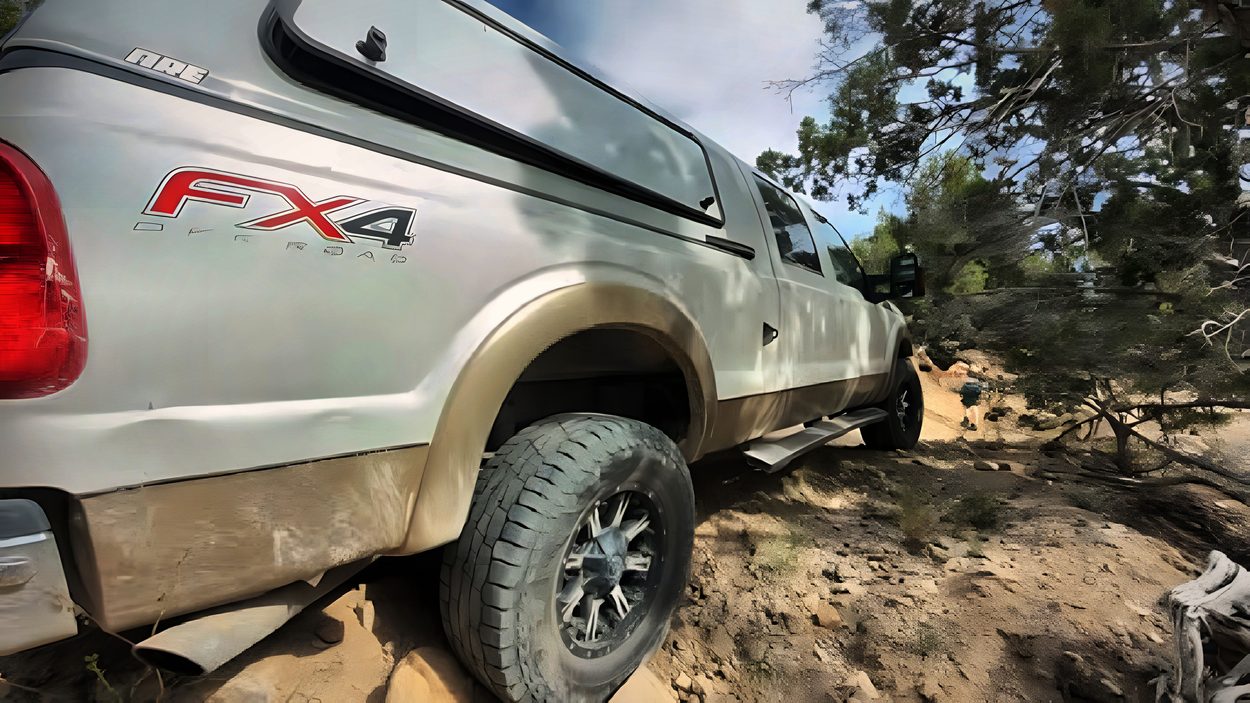
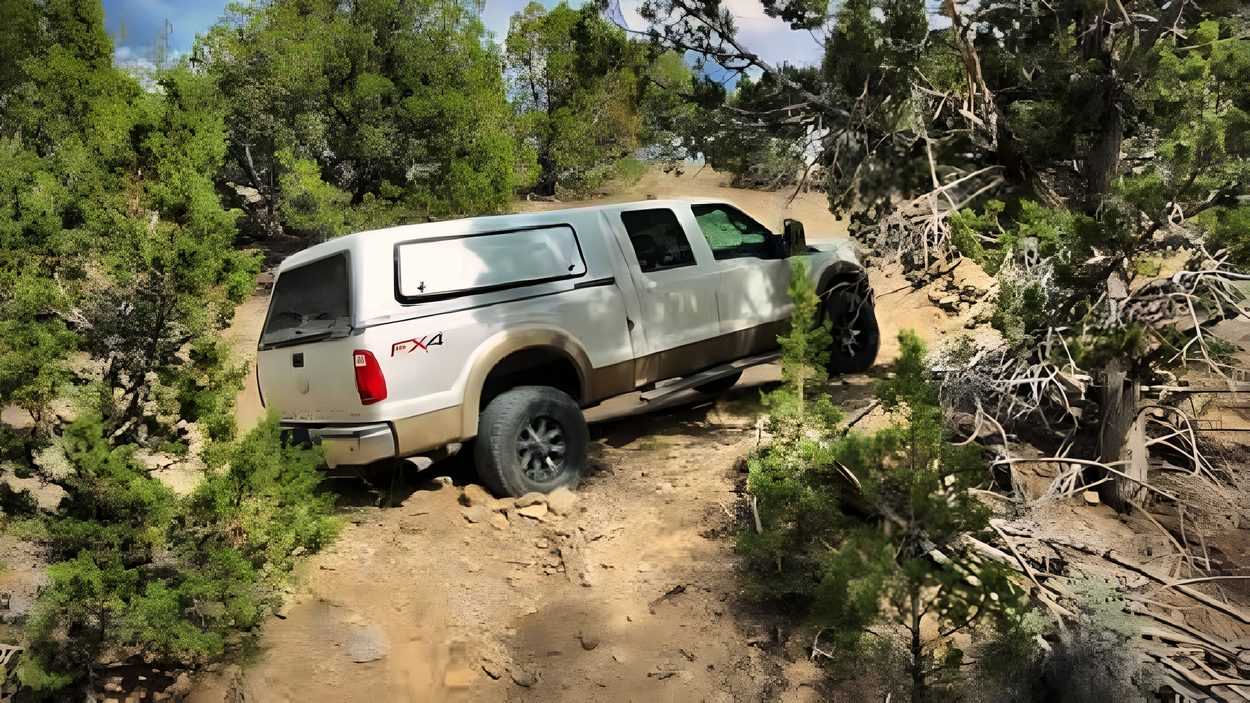
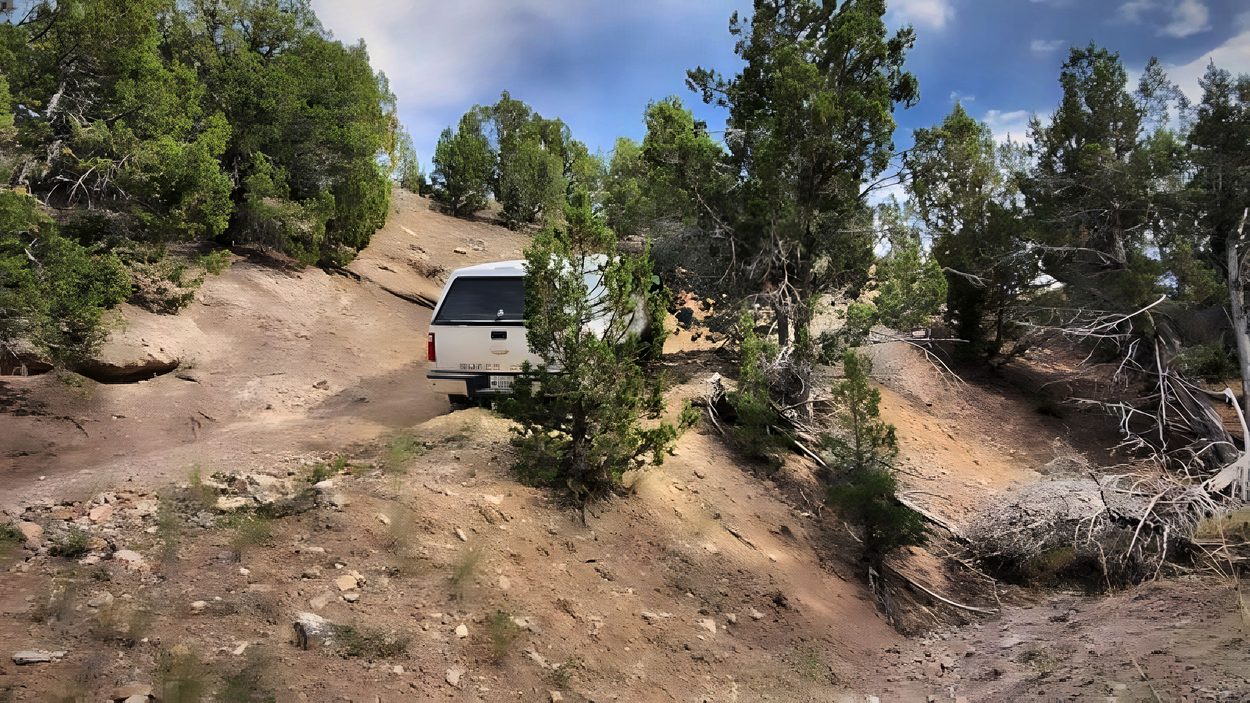
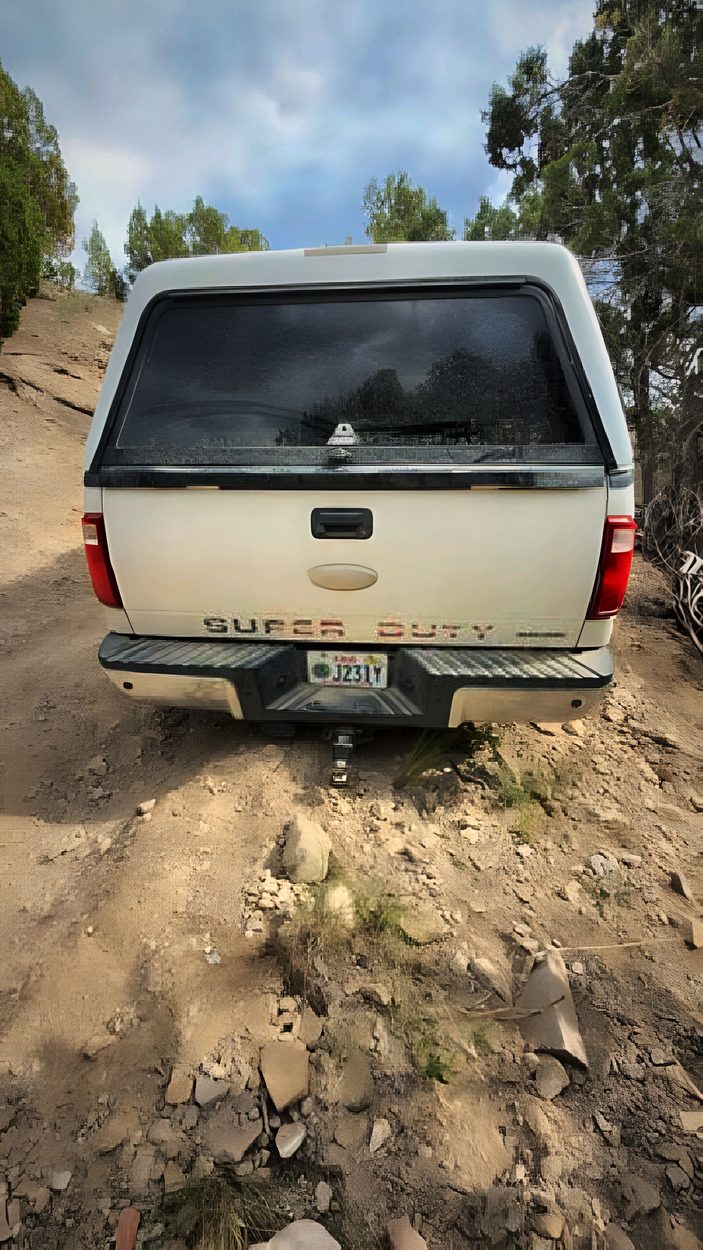
Before Skyler was engaged we also had Gary Leany engaged and trying to find the vehicle but after an hour looking for it he had to gave up.
Skyler was about 45 miles from this recovery. By 3:30 p.m. he was en route. Once he arrived to the vehicle around 5:30 p.m. he had to wait for the owner to return. Around 8:00 p.m. he texted back, the recovery was completed without incident.
We want to thank Gary and Skyler. You guys rock.
If you would like to receive a text message when we get an offroad recovery request near you, create your account here: offroadportal.org/signup
I’m assuming you mean Hole-in-the-Rock Trail near Halls Crossing, sometimes called the Mormon Trail by off-roaders. This post focuses on that route.
Utah’s Mormon Trail:
History, Slickrock, and a Serious Backcountry Adventure
Some trails offer more than a driving challenge. Utah’s Hole-in-the-Rock Trail—also known among some off-roaders as the Mormon Trail—combines spectacular canyon country with the history of pioneers who brought wagons through this rugged landscape.
The route follows portions of the 1879–1880 San Juan expedition’s journey toward southeastern Utah. Settlers cut a passage through a narrow opening above the Colorado River and lowered their wagons toward the crossing. Exploring this country today offers a new appreciation for what that journey demanded.
Know which route you’re planning
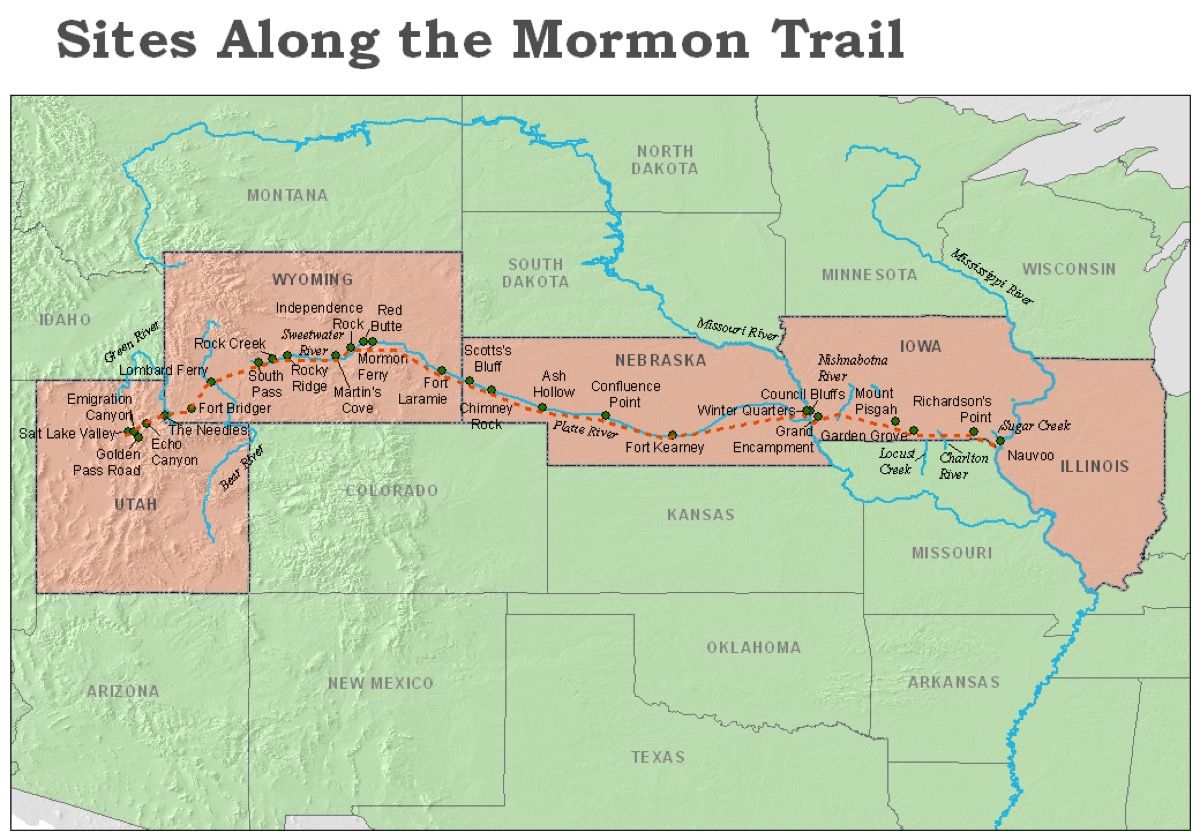
The challenging 4×4 trail near Halls Crossing, accessed from Highway 276, is different from Hole-in-the-Rock Road outside Escalante. They approach opposite sides of Lake Powell and do not form a continuous drive across the historic river crossing. The Mormon Pioneer National Historic Trail leading to Salt Lake City is another distinct route. Double-check your map before planning the trip.
On the Halls Crossing side, Red Rock 4-Wheelers describes an approximately 60-mile round-trip off-road excursion, with sandstone, sand, expansive views, and challenging terrain around Grey Mesa and the slickrock feature known as the Chute. Its organized trip spans three days with two nights of camping—a useful reminder that mileage alone does not tell you how long this drive takes.
What should drivers expect?
Expect slow progress, careful tire placement, and obstacles that require getting out to inspect your line. The attraction is the combination of technical driving, remote scenery, and history. Plan time to enjoy all three instead of rushing toward an endpoint.
Treat this as a trip for drivers already comfortable with rocky terrain, rather than a first lesson in four-wheel drive. An experienced trail leader and capable companions are especially valuable here.
Before attempting it, you should be comfortable with:
- Low-range driving: Using controlled throttle and appropriate gearing on climbs and descents.
- Reading terrain: Understanding where your tires, differentials, bumpers, and underbody will pass.
- Working with a spotter: Agreeing on signals and stopping whenever communication becomes unclear.
- Managing traction: Recognizing when wheelspin is making the situation worse.
- Backcountry navigation: Following a verified legal route with downloaded maps.
- Making conservative decisions: Turning around before weather, damage, or fatigue removes that option.
Bring a vehicle suited to the terrain
A high-clearance 4×4 with low range, suitable tires, and underbody protection is a sensible starting point. For its organized Hole-in-the-Rock trip, Red Rock 4-Wheelers lists 33-inch-or-larger tires and a rear locker. Those are the club’s trip requirements, not a guarantee that every vehicle equipped that way will clear every obstacle. Wheelbase, load, clearance, conditions, and driver judgment still matter.
Inspect your tires, cooling system, brakes, steering, and spare before leaving. Carry tire-repair equipment, a compressor, tools, and recovery gear you know how to use. Recovery attachments must be rated for the task; never recover from a tow ball.
Plan for delays before they happen
Travel with another capable vehicle and leave your route and expected return time with someone at home. Carry offline maps and a satellite communication device rather than depending on cellular coverage.
Bring extra food, drinking water, necessary medications, and shelter for an unexpected overnight stay. Budget fuel for the highway approach, slow trail driving, the return journey, and a reserve.
Check the forecast and current access conditions with the relevant land managers shortly before departure. Ask specifically about the Halls Crossing-side 4×4 trail, so you do not receive a report for the Escalante road. Confirm camping requirements and permitted vehicle access as well.
Protect the place you came to experience
Stay on designated motorized routes. Historic wagon tracks and old paths are not automatic permission to drive. Avoid vegetation and fragile desert soils, leave artifacts untouched, and pack out your trash and human waste using an appropriate system.
At Offroad Portal, we encourage everyone to explore prepared. A successful trip means enjoying the trail, protecting its history, and getting everyone home safely.